
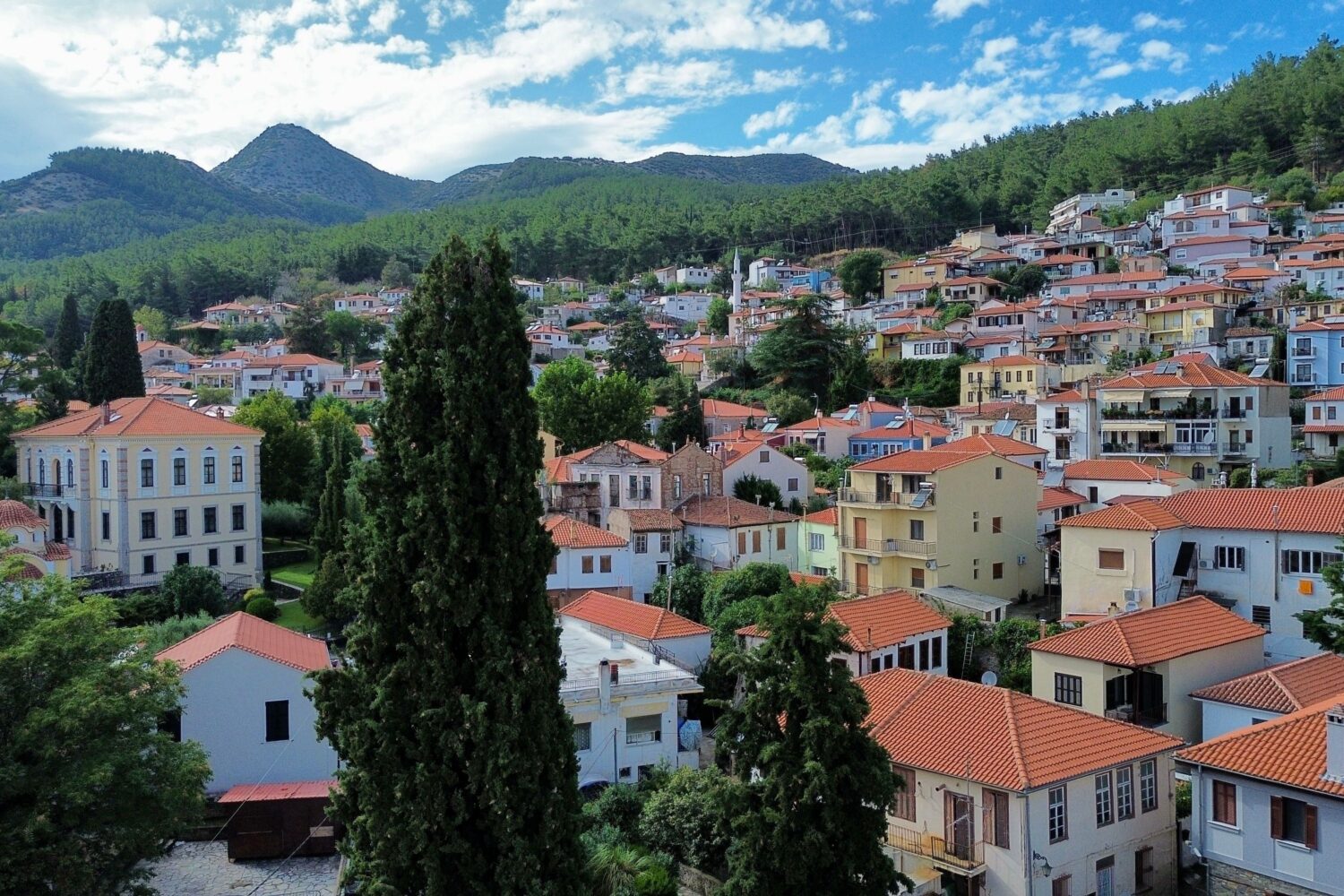
Explore Xanthi: History, Nature, and Food
If you’re looking for a Greek city full of character, history, and natural beauty, Xanthi is a perfect choice. Tucked in Eastern Macedonia and Thrace, it’s famous for its lively Old Town, colorful traditions, and fun festivals. Sitting between the Rhodope Mountains and the Nestos River, the city blends charming historic streets with easy access to nature. Xanthi is about two to two and a half hours by car from Thessaloniki (approximately 210 km / 130 miles) via the Egnatia Odos (A2) highway. The route is modern and well-maintained. Regional buses (KTEL) and trains (Hellenic Train) also connect Thessaloniki with Xanthi regularly, making it easily accessible by public transportation as well.
Xanthi is also a great base for exploring the surrounding area. You can wander through traditional mountain villages, check out Ottoman-era landmarks, or head to the Nestos wetlands for some birdwatching or a relaxing walk. Whether you’re here for a weekend or a full week, Xanthi makes it easy to mix culture, food, and nature into a fun, laid-back trip.
Step Back in Time
History is woven into the streets and buildings of Xanthi. The Old Town is a maze of narrow, cobbled streets lined with neoclassical mansions, Ottoman-era houses, and small churches. The architecture reflects the city’s layered past as a cultural crossroads, where Byzantine, Ottoman, and Greek influences meet. Walking through the Old Town, you’ll find unique landmarks such as the Clock Tower, which has stood since the mid-19th century, and the Kaloudis Mansion, now home to the Municipal Art Gallery showcasing local art.
Xanthi is also home to several small museums and cultural centers that highlight its heritage. The House of Shadow demonstrates the traditional Greek shadow theater, while the Folklore and History Museum explores the local lifestyle and crafts of the region. A leisurely stroll through these historic streets allows you to soak in the city’s atmosphere and imagine life in past centuries.
Festivals and Cultural Life
Xanthi is famous throughout Greece for its festivals. The Xanthi Carnival, held annually in late winter, is one of the country’s most colorful and vibrant celebrations. The streets of the Old Town come alive with parades, music, costumes, and performances, attracting visitors from across the country. Beyond the carnival, the city hosts various cultural events during the year, including music festivals, traditional dance performances, and craft fairs. These events reflect Xanthi’s rich multicultural heritage and lively community spirit.
Neighborhoods and Streets
The neighborhoods of Xanthi each offer a distinct experience. The Old Town is perfect for wandering through winding streets, discovering artisan shops, and enjoying cafés tucked into historic buildings. Here, every corner seems to tell a story, from small fountains and traditional doorways to hidden courtyards where locals gather.
The modern city center has a lively market area with bakeries, cafés, and small shops, making it easy to experience daily life in Xanthi. Street cafés serve strong Greek coffee, while bakeries offer local pastries such as bougatsa filled with custard or cheese. The combination of historic charm and modern convenience makes Xanthi easy to explore on foot.
Natural Beauty and Outdoor Activities
Xanthi is surrounded by diverse landscapes, from the wetlands of the Nestos River to the hills of the Rhodope Mountains. The Nestos River Gorge is ideal for hiking, canoeing, and birdwatching, while the Vistonida Wetlands offer a peaceful retreat for nature lovers. The nearby Rhodope villages provide hiking trails, traditional houses, and local crafts, giving visitors a glimpse of rural life in Thrace.
For those who enjoy the coast, the nearby beaches along the northern Aegean are within easy reach. Nea Peramos and Nea Kessani offer quieter, family-friendly options, while the area around Porto Lagos is popular for relaxing by the water and enjoying fresh seafood at small tavernas.
Day Trips from Xanthi
Xanthi’s location makes it easy to explore the wider region. A short drive takes you to the Pomak villages in the Rhodope Mountains, where traditional culture and architecture are preserved. The Ottoman-era Tekke of Budala Hodja in Thermes is notable for its historic religious and cultural significance, with natural hot springs nearby.
Other nearby towns include Kavala, roughly an hour away, with its seaside charm and historic fortress, and Komotini, which features markets, mosques, and Ottoman-era architecture. For nature lovers, the Nestos wetlands and surrounding forested areas offer wildlife observation and scenic walks.
Where to Stay
Visitors to Xanthi have a wide variety of places to stay, depending on what kind of experience they want. In the heart of the Old Town, 1905 Boutique Hotel offers stylish rooms in a beautifully restored mansion, just steps from cobbled streets, cafés, and galleries. For a cozy, homey feel, To Archontiko Guesthouse Villa provides traditional décor, quiet garden views, and a welcoming atmosphere slightly outside the city center. Families or travelers seeking more independence can choose Aura Apartments, which offer spacious apartment-style accommodations with modern amenities.
For those looking for modern comfort and central convenience, Hotel Z Palace & Congress Center provides elegant rooms, a seasonal outdoor pool, and easy access to the city’s attractions. Hotel Xanthippion is a family-friendly option near the Open Market, offering comfortable rooms and a complimentary breakfast. Travelers seeking a traditional Greek experience might enjoy Kokkymelon Traditional Guest House, which has tastefully decorated rooms and a peaceful garden. These options make it easy for visitors to explore the Old Town, enjoy local cuisine, and venture into nearby mountains or wetlands at their own pace.
Xanthi’s Food Scene
Xanthi’s food scene reflects its rich history, blending traditional Greek flavors with influences from the Balkans and the Ottoman period. Local markets and bakeries are full of delicious treats like bougatsa, a flaky pastry filled with cheese or custard, koulouri, sesame bread rings, and fresh olives. Herbs like oregano and thyme are used in many dishes, highlighting the region’s local produce and giving even simple recipes bold, aromatic flavors. The Central Market is a must-visit spot, bustling with vendors selling fresh fruits, vegetables, cheeses, olives, and baked goods. It is the perfect place to experience local flavors and pick up ingredients for yourself.
Dining in Xanthi often revolves around meze, small plates meant for sharing. Popular options include tiropita, cheese pie, spanakopita, spinach pie, grilled halloumi, and loukaniko, Greek sausage flavored with orange and herbs. Regional specialties such as kavourma, slow-cooked meat with tomato and spices, pastourma, cured spiced beef, and kokoretsi, seasoned lamb offal grilled on a spit, showcase the city’s culinary heritage. Many tavernas also serve fresh fish from nearby rivers or the coast, usually simply grilled with lemon and herbs.
Xanthi offers a wide range of eating experiences, from casual street food and local cafés to traditional tavernas and more refined restaurants. Gyros and souvlaki are popular for a quick, hearty bite, while cafés serve Greek coffee alongside sweets like kataifi and baklava. Eating in Xanthi is more than a meal. It is a social and cultural experience where recipes passed down through generations are enjoyed with family, friends, and a taste of the city’s history.
________________
Xanthi is a city that combines history, culture, and nature in a unique and memorable way. Whether wandering the cobbled streets of the Old Town, enjoying festivals, sampling local cuisine, or exploring the nearby mountains and wetlands, travelers will find Xanthi rich with experiences and charm. It is a destination that encourages slow exploration, allowing you to fully appreciate the beauty, culture, and warmth of northern Greece.